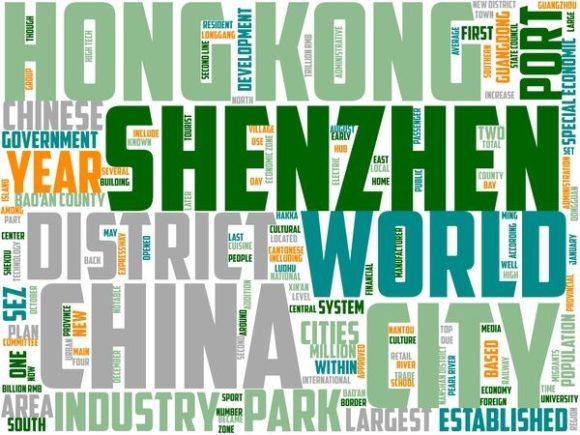
Shenzhen Typography: Creative Expression
Shenzhen Typography is more than just a design trend—it's a powerful tool for creative expression. Originating from the vibrant city of Shenzhen, this style blends modern aesthetics with traditional calligraphy, offering a unique visual language that resonates across various platforms. Its appeal lies in its ability to convey emotion, message, and identity through carefully crafted letterforms.
For designers, marketers, and creators, Shenzhen Typography presents an opportunity to elevate their work with a fresh, dynamic look. Whether you're designing a logo, creating promotional materials, or working on a personal project, this typography style can add a distinctive flair that captures attention and conveys meaning effectively.
Understanding Shenzhen Typography
Shenzhen Typography is characterized by bold strokes, fluid lines, and a balance between structure and spontaneity. It often incorporates elements of both Western and Eastern design principles, making it versatile and adaptable to different contexts. This fusion allows for a wide range of applications, from digital media to physical products.
The beauty of Shenzhen Typography lies in its ability to be both functional and artistic. It can be used to create clear, readable text for signage and branding, while also serving as a focal point in graphic design projects. The style encourages experimentation, allowing designers to push boundaries and explore new ways of communicating visually.
Applications of Shenzhen Typography
One of the most exciting aspects of Shenzhen Typography is its versatility. It can be applied to a variety of formats, including clothing, posters, and home décor. For example, hand-drawn wordclouds featuring Shenzhen Typography can transform everyday items into personalized, expressive pieces. These designs are ideal for creating unique products that stand out in a crowded market.
Consider using Shenzhen Typography in promotional materials such as invitations, banners, and flyers. The bold, eye-catching nature of the style ensures that your message is not only seen but remembered. It's also perfect for packaging design, where a strong visual identity can make a lasting impression on consumers.
Practical Use Cases
- Clothing and Textiles: Incorporate Shenzhen Typography into t-shirts, bags, and other wearable items to create a statement piece that reflects individuality.
- Posters and Banners: Use the style to design eye-catching visuals for events, exhibitions, or marketing campaigns.
- Home Décor: Add a touch of creativity to pillows, cups, and wall art with custom-designed wordclouds that reflect personal style.
- Printables and Digital Content: Apply Shenzhen Typography to e-books, magazines, and online content to enhance visual appeal and engagement.
Adapting Shenzhen Typography for Different Audiences
Shenzhen Typography can be tailored to suit various audiences and purposes. For instance, a designer targeting a younger demographic might focus on bold, playful variations of the style, while a professional setting may require a more refined and structured approach. Understanding your audience is key to maximizing the impact of your design choices.
When working with Shenzhen Typography, consider the context in which it will be used. A wordcloud designed for a children's book may differ significantly from one intended for a corporate presentation. By adjusting the scale, color palette, and overall aesthetic, you can ensure that the design aligns with the intended purpose and audience expectations.
Creating Effective Designs with Shenzhen Typography
To achieve the best results with Shenzhen Typography, focus on clarity, consistency, and originality. Start by defining the message or theme you want to convey. This will guide your design decisions and help maintain a cohesive look across different applications.
Experiment with different fonts, colors, and layouts to find the right balance between creativity and readability. Avoid overcrowding your design with too many elements, as this can dilute the impact of the typography. Instead, use negative space strategically to draw attention to key areas and enhance visual flow.
Tips for Successful Design Projects
- Define Your Objective: Clarify the purpose of your design to ensure it meets the needs of your audience and goals.
- Choose the Right Tools: Use design software that offers flexibility and precision, allowing you to experiment with different styles and effects.
- Test and Refine: Create multiple versions of your design and gather feedback to identify what works best.
- Stay Consistent: Maintain a unified visual identity across all materials to reinforce brand recognition and professionalism.
Inspiration and Originality
Shenzhen Typography offers endless possibilities for creative exploration. Whether you're looking to create a unique logo, design a custom product, or develop a new brand identity, this style can serve as a foundation for innovation. By combining traditional techniques with modern approaches, you can produce work that feels both authentic and contemporary.
Don't be afraid to think outside the box. Consider how you can integrate Shenzhen Typography into mixed media projects, digital illustrations, or interactive experiences. The goal is to create something that not only looks good but also tells a story and connects with your audience on a deeper level.