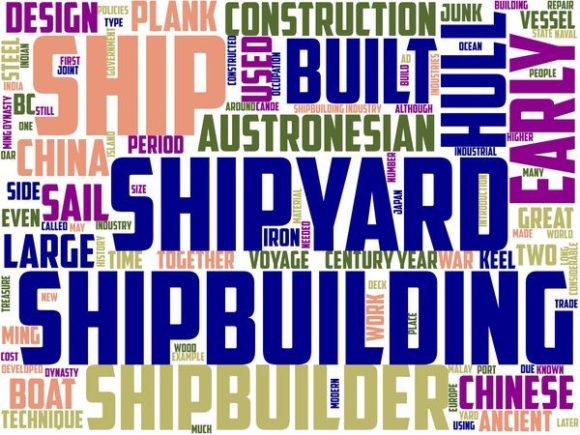
Ship Builder Typography: A Unique Approach to Design and Expression
Ship Builder Typography is a distinctive design style that blends the rugged, industrial aesthetic of shipbuilding with the creative potential of typography. This approach offers a fresh way to incorporate visual storytelling into various forms of media and products. Unlike traditional typography, which often emphasizes clarity and readability, Ship Builder Typography embraces a more textured, layered, and sometimes abstract representation of text. This makes it particularly appealing for those looking to add a unique flair to their projects.
The essence of Ship Builder Typography lies in its ability to merge functionality with artistry. It draws inspiration from the tools, materials, and techniques used in shipbuilding, such as rivets, metal textures, and nautical symbols. These elements are reinterpreted through typography, resulting in a style that feels both grounded and imaginative. This blend of practicality and creativity can be especially useful for designers, artists, and creators who want to infuse their work with a sense of history and craftsmanship.
What Makes Ship Builder Typography Distinct?
One of the key features of Ship Builder Typography is its emphasis on texture and depth. Rather than relying solely on font weight or size, this style often incorporates visual elements that mimic the physicality of shipbuilding materials. For example, a word might appear as if it's been etched into metal, giving it a three-dimensional quality. This adds a tactile dimension to the text, making it more engaging and memorable.
Another distinguishing aspect is the use of symbolic imagery. Nautical motifs such as anchors, waves, and compasses are frequently integrated into the typography, creating a visual language that speaks to themes of exploration, strength, and adventure. This can be particularly effective for branding or marketing campaigns that aim to evoke a sense of boldness or resilience.
Compared to other typography styles, Ship Builder Typography stands out for its ability to convey a narrative through visual elements. While many fonts focus on legibility, this style prioritizes storytelling, using design choices to communicate a message beyond the words themselves. This makes it ideal for projects that require a strong visual identity, such as logos, banners, or promotional materials.
How Does Ship Builder Typography Compare to Other Styles?
When evaluating typography options, it's important to consider how different styles align with specific goals. Traditional serif and sans-serif fonts are often chosen for their readability and versatility, making them suitable for a wide range of applications. In contrast, Ship Builder Typography may not always be the best choice for body text due to its more decorative nature. However, it excels in situations where visual impact and thematic consistency are priorities.
Other alternative styles, such as graffiti or hand-drawn fonts, also offer a creative edge but tend to be more chaotic or informal. Ship Builder Typography, on the other hand, maintains a level of structure and cohesion that can be beneficial for professional or commercial projects. It strikes a balance between artistic expression and functional design, making it a versatile option for various contexts.
For those working with digital media, the adaptability of Ship Builder Typography is a significant advantage. Many fonts in this category are designed to work well across different platforms and devices, ensuring that the visual integrity of the text remains intact. This is especially important for web-based projects, where consistency and performance are critical factors.
Strengths and Tradeoffs of Ship Builder Typography
One of the main strengths of Ship Builder Typography is its ability to create a strong visual identity. By incorporating nautical elements and industrial textures, it can help differentiate a brand or project from others in a crowded market. This is particularly valuable for businesses or individuals looking to establish a unique presence in their industry.
Another benefit is its flexibility in application. Whether used in print, digital formats, or mixed media projects, Ship Builder Typography can be adapted to suit different needs. Its versatility makes it a popular choice for designers who want to experiment with different visual narratives while maintaining a cohesive theme.
However, there are tradeoffs to consider. The complexity of Ship Builder Typography can sometimes make it less accessible for beginners or those unfamiliar with its design principles. Additionally, its decorative nature may not be appropriate for all types of content, particularly when clarity and simplicity are essential.
Readers should also be aware of the limitations in terms of scalability. While many Ship Builder Typography fonts are optimized for various sizes, some may lose their visual impact when used in smaller formats. This is an important consideration for projects that require consistent readability across different mediums.
When Is Ship Builder Typography the Right Choice?
Ship Builder Typography is most effective when the goal is to create a visually striking and thematically rich design. It works well for projects that aim to evoke a sense of adventure, resilience, or craftsmanship. For example, a company specializing in outdoor gear or maritime-related products could benefit from using this style to reinforce its brand identity.
It is also a good fit for creative projects that require a unique visual element. Artists, illustrators, and designers often turn to Ship Builder Typography to add depth and character to their work. Whether it's for a poster, a book cover, or a piece of jewelry, this style can elevate the overall aesthetic and make the final product stand out.
In addition, Ship Builder Typography can be an excellent choice for educational or inspirational content. Its combination of text and visual elements can help engage audiences and encourage a deeper connection with the material. This makes it particularly useful for publications, presentations, or interactive media that aim to inspire or inform.
When Might Another Option Be Better?
While Ship Builder Typography has many advantages, there are scenarios where other typography styles may be more appropriate. For instance, when the primary objective is to convey information clearly and efficiently, a simpler font may be preferable. This is especially true for documents, websites, or signage where readability is paramount.
Additionally, for projects that require a more modern or minimalist aesthetic, other styles might be more suitable. Clean, geometric fonts or minimalist typefaces can provide a sleek and contemporary look that complements a wide range of designs. In these cases, the focus is on simplicity and elegance rather than intricate details.
Readers should also consider the target audience when choosing a typography style. If the intended viewers are more familiar with traditional fonts, using Ship Builder Typography may not resonate as effectively. It's important to align the design with the expectations and preferences of the audience to ensure maximum impact.
Realistic Examples and Practical Comparisons
To illustrate the effectiveness of Ship Builder Typography, consider a few real-world applications. A clothing brand might use this style for its logo and packaging, creating a cohesive look that reflects its maritime theme. The textured, nautical elements would reinforce the brand's identity and appeal to customers who value craftsmanship and uniqueness.
In contrast, a tech startup might opt for a more modern, clean font to convey innovation and professionalism. While Ship Builder Typography could still be used in certain aspects of the design, such as a tagline or a special promotion, the primary font would likely be something more straightforward and versatile.
Another example is a book cover. A novel with a historical or adventurous theme could benefit from Ship Builder Typography, as it would enhance the visual storytelling and create a more immersive experience for readers. However, a non-fiction book focused on data analysis might require a more neutral and readable font to maintain a professional tone.
These examples highlight the importance of matching the typography style with the project's goals and audience. While Ship Builder Typography offers a compelling option, it's essential to evaluate whether it aligns with the overall vision and requirements of the work.