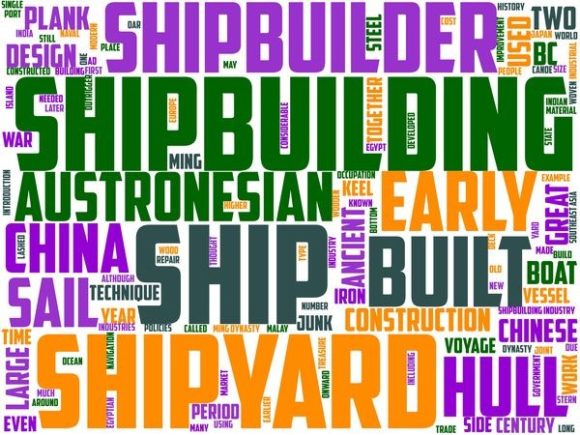
Unlock Creativity with Shipwright Typography: A Dynamic Tool for Modern Designers
In today’s fast-paced creative landscape, the demand for unique and expressive visual elements has never been higher. Among the many tools that designers, entrepreneurs, and marketers are turning to, Shipwright Typography stands out as a powerful and versatile solution. This innovative approach to typography not only enhances aesthetic appeal but also aligns with current trends in design, technology, and consumer behavior. Whether you're creating promotional materials, packaging, or digital content, Shipwright Typography offers a fresh perspective on how text can be used to inspire, engage, and communicate.
What is Shipwright Typography?
Shipwright Typography is a distinctive style of typeface that blends the rugged, industrial aesthetics of shipbuilding with the elegance of modern typography. Inspired by the strong, functional lines found in nautical design, this style emphasizes clarity, strength, and a sense of movement. Unlike traditional fonts, which often prioritize uniformity, Shipwright Typography embraces variation and character, making it ideal for projects that require a bold, eye-catching presence.
The name itself evokes a sense of craftsmanship and durability—qualities that resonate with both designers and consumers looking for authenticity in their work. By incorporating elements such as weathered textures, angular shapes, and dynamic curves, Shipwright Typography brings a sense of depth and personality to any design project.
Why Shipwright Typography is Gaining Attention
As the design industry evolves, so do the preferences of creators and consumers. Today’s audiences are drawn to visuals that tell a story, evoke emotion, and reflect individuality. Shipwright Typography meets these expectations by offering a unique blend of functionality and artistry. It’s no surprise that this style is gaining traction among professionals who want to stand out in a crowded market.
One reason for its growing popularity is its adaptability. Whether used in print or digital formats, Shipwright Typography can be customized to suit a wide range of applications. From logos and branding materials to social media graphics and packaging, this style adds a layer of sophistication that sets designs apart.
Moreover, the rise of hand-drawn and personalized elements in design has created a perfect environment for Shipwright Typography to thrive. As more businesses seek to differentiate themselves through unique visual identities, this style provides a compelling option for those looking to infuse their work with character and authenticity.
How Shipwright Typography Fits into Broader Trends
The appeal of Shipwright Typography extends beyond aesthetics—it aligns with several key trends shaping the creative and business landscapes today. One such trend is the shift toward sustainable and artisanal practices. Consumers are increasingly seeking products that reflect a commitment to quality, craftsmanship, and environmental responsibility. By using a typography style that mimics the texture and feel of handcrafted elements, designers can tap into this growing demand.
Another significant trend is the integration of technology and creativity. With the rise of digital tools and AI-driven design solutions, there’s a growing emphasis on efficiency and scalability. However, this doesn’t mean that handmade or organic elements are losing relevance. In fact, the contrast between digital precision and human touch is becoming more valuable. Shipwright Typography bridges this gap by offering a style that feels both modern and authentic.
Additionally, the trend toward personalization and customization is reshaping how brands interact with their audiences. Customers now expect experiences that reflect their individuality. By incorporating Shipwright Typography into their designs, businesses can create a more engaging and memorable connection with their target audience.
Practical Applications of Shipwright Typography
The versatility of Shipwright Typography makes it an excellent choice for a wide range of creative projects. Let’s explore some practical examples of how this style can be used:
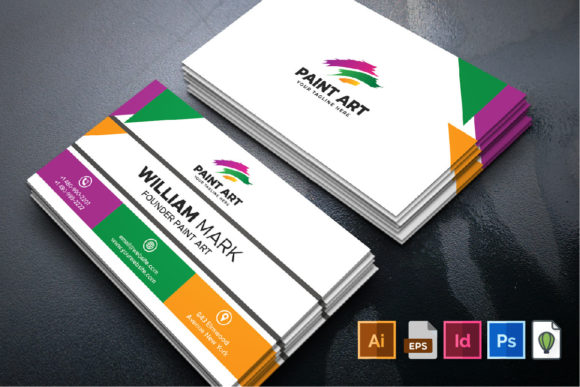
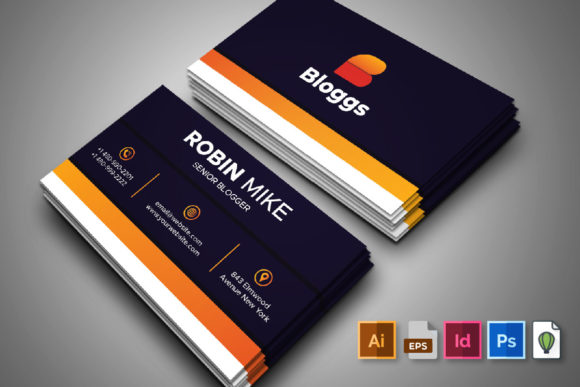
- Branding and Logos: A strong, distinctive font can help a brand establish a clear identity. Shipwright Typography offers a bold and memorable look that can be used in logos, business cards, and other branding materials.
- Print and Packaging: Whether designing a product label, a book cover, or a packaging insert, this style adds a tactile and visual appeal that enhances the overall experience.
- Digital Content: From website headers to social media posts, Shipwright Typography can be used to create visually striking digital content that captures attention and conveys a strong message.
- Home Décor and Textiles: The style’s industrial roots make it well-suited for home décor items such as posters, pillows, and fabric designs. It adds a unique, artistic touch that complements modern and eclectic interiors.
- Marketing Materials: Flyers, banners, and stickers featuring Shipwright Typography can grab attention and leave a lasting impression on potential customers.
These applications demonstrate how Shipwright Typography can be integrated into various aspects of design and marketing, helping professionals create more impactful and memorable work.
Embracing the Future of Design with Shipwright Typography
As the creative industry continues to evolve, the need for innovative and adaptable design solutions will only grow. Shipwright Typography represents a forward-thinking approach to typography that aligns with current trends while offering a distinct and meaningful visual language. For professionals looking to stay ahead of the curve, this style provides a powerful tool for expressing ideas, building brands, and connecting with audiences.
Whether you’re a designer, marketer, entrepreneur, or enthusiast, incorporating Shipwright Typography into your workflow can open up new possibilities for creativity and expression. Its unique blend of strength, character, and adaptability makes it an essential addition to any designer’s toolkit. As the demand for personalized and meaningful design continues to rise, Shipwright Typography is poised to play a central role in shaping the future of visual communication.