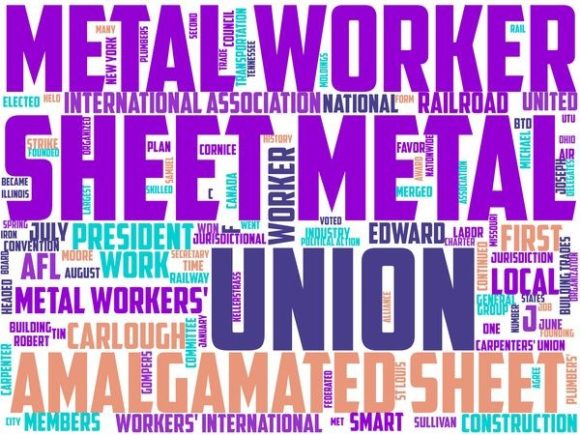
Sheet Metal Worker Typography: A Unique Blend of Function and Art
Sheet Metal Worker Typography is more than just a design choice—it's a powerful tool that combines the rugged, industrial aesthetic of metalworking with the expressive beauty of typography. This style is ideal for those looking to infuse their creative projects with a sense of strength, precision, and craftsmanship. Whether you're designing for a business, a personal project, or a promotional campaign, Sheet Metal Worker Typography offers a distinctive way to communicate your message.
What Is Sheet Metal Worker Typography?
Sheet Metal Worker Typography refers to the use of typefaces and text elements that reflect the visual language of metalworking. These designs often feature bold, angular lines, sharp edges, and a mechanical feel, mimicking the tools and techniques used in sheet metal fabrication. The result is a look that’s both functional and artistic, perfect for branding, signage, and decorative applications.
Many designers and artists are drawn to this style because it evokes a sense of durability, reliability, and innovation. It’s particularly popular among industries like manufacturing, automotive, and construction, where the imagery of metalwork is closely associated with quality and expertise.
Common Mistakes When Working With Sheet Metal Worker Typography
While Sheet Metal Worker Typography can be incredibly effective, there are several common mistakes that users may make, which can affect the overall impact of their work.
- Choosing the Wrong Font: Not all fonts labeled as "sheet metal" or "industrial" will suit your project. Some may lack the necessary detail or clarity, making them hard to read or visually unappealing.
- Ignoring Readability: The primary purpose of typography is to convey information clearly. Overly complex or stylized fonts can reduce readability, especially in smaller sizes or on digital platforms.
- Overusing Effects: Adding too many textures, gradients, or metallic effects can make the design feel cluttered or unprofessional. Simplicity often has a stronger impact.
- Misunderstanding Licensing: Many fonts come with specific usage rights. Failing to check licensing terms can lead to legal issues, especially when using the typography in commercial projects.
How These Mistakes Can Affect Your Work
Each of these mistakes can have real consequences on the outcome of your design. For example, choosing a font that’s too stylized might make your message less accessible to your audience, reducing its effectiveness. Similarly, ignoring licensing rules could result in costly legal problems down the line.
When working with Sheet Metal Worker Typography, it’s important to balance creativity with practicality. A design that looks great on paper may not translate well to digital formats or print, especially if the typography isn’t optimized for different mediums.
Practical Tips for Using Sheet Metal Worker Typography
To get the most out of Sheet Metal Worker Typography, consider the following advice:
- Start With a Clear Purpose: Ask yourself why you’re using this style. Is it to evoke a sense of strength, to match a brand’s identity, or to add visual interest? Knowing your goal will help you choose the right elements.
- Test Different Sizes and Formats: What works on a large banner may not be suitable for a business card. Always test your typography in the intended context to ensure it remains legible and impactful.
- Combine With Complementary Elements: Sheet Metal Worker Typography can stand alone, but it often works best when paired with other design elements like icons, illustrations, or color schemes that reinforce the industrial theme.
- Research and Verify Licensing: Before downloading or purchasing any font, review the license agreement. Make sure it allows for the type of use you have in mind, whether it's personal, commercial, or for a specific project.
What to Check Before Making a Decision
Before finalizing your use of Sheet Metal Worker Typography, take the time to evaluate a few key factors:
- Font Quality: Ensure the font is well-designed, with consistent spacing and clear characters. Avoid fonts that have missing glyphs or irregular shapes.
- Compatibility: Check that the font works across different platforms and devices. Some fonts may not render correctly on certain systems or in specific file formats.
- Style Consistency: Make sure the typography aligns with the overall design and message of your project. It should enhance, not detract from, the visual story you’re trying to tell.
- Cost vs. Value: While free fonts can be tempting, they may not always offer the same level of quality or support as paid options. Consider the long-term value of your choice.
Realistic Examples and Better Approaches
Let’s say you’re designing a logo for a metal fabrication company. Instead of going for an overly complicated font, opt for one that balances strength with clarity. A clean, geometric typeface with subtle metallic accents can convey professionalism without sacrificing readability.
Another example: if you’re creating a poster for an art exhibit, you might use Sheet Metal Worker Typography to create a bold headline that draws attention. Pair it with a simple, modern sans-serif for the body text to maintain visual harmony.
Final Thoughts
Sheet Metal Worker Typography is a versatile and compelling choice for designers, entrepreneurs, and creatives looking to add a unique edge to their work. By understanding the potential pitfalls and making informed decisions, you can harness this style to create stunning, effective designs that resonate with your audience.
Whether you're printing on fabric, designing a website, or creating a promotional campaign, Sheet Metal Worker Typography offers a powerful way to express your vision. Just remember to approach it with care, creativity, and a focus on quality.